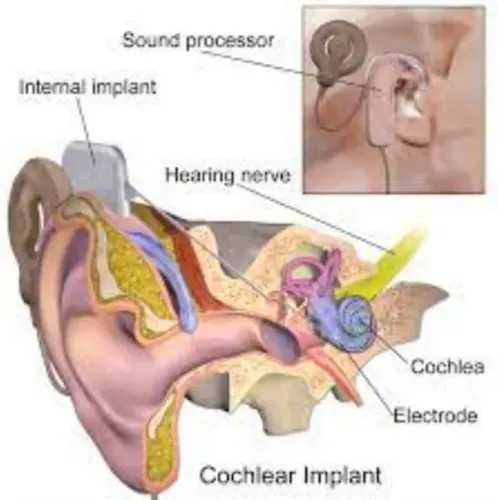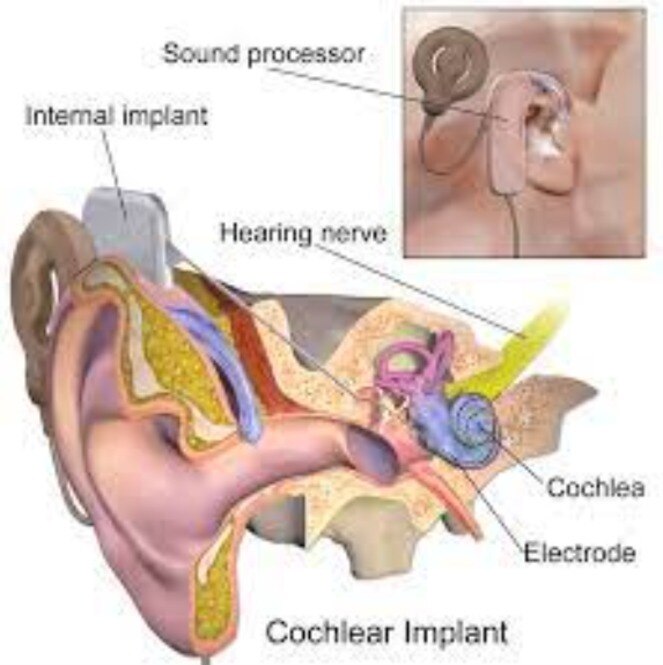
Children and adults can both experience unclear sound, dizziness, device concerns and slow progress after cochlear implantation, but the reasons and expected timeline differ. By comparing candidacy, evaluation, rehabilitation and warning signs, you can prepare better questions for an implant team in Pune and recognise when a problem needs prompt review.
Key takeaways
- Early implantation supports spoken-language development in children with profound hearing loss.
- Adults with shorter periods of deafness often adapt faster after activation.
- Expect unfamiliar sound quality first; mapping and rehabilitation improve listening over time.
- Sudden hearing changes, facial weakness, severe pain, or discharge need urgent review.
Why timing changes cochlear implant results for children and adults
Timing strongly affects cochlear implant results: children who are deaf before developing spoken language need early access to sound and intensive rehabilitation, while adults who lose hearing after acquiring language often adapt faster. Long-standing deafness can reduce adult benefit, even when the original cause is clear.
| Group | Causes and timing | Candidacy factors |
|---|---|---|
| Children | Congenital hearing loss, genetic conditions, meningitis, enlarged vestibular aqueducts or other inner-ear malformations can prevent normal speech-and-language development. Early implantation after confirming limited hearing-aid benefit protects language-learning opportunity. | Severe-to-profound sensorineural loss, repeated audiology, aided testing, speech-language and developmental review, imaging, medical fitness, and family capacity for daily device use and rehabilitation. Malformations require surgical planning because cerebrospinal-fluid gusher can occur. |
| Adults | Causes include age-related loss, noise injury, ototoxic medicines, meningitis, trauma or sudden hearing loss. The duration of severe hearing loss matters; adults retaining established spoken language often recognise sound sooner after activation. | Speech-recognition scores, hearing-aid history, communication goals, tinnitus, medical fitness and imaging guide the decision. Motivation matters because an implant does not restore normal hearing in noise, at a distance or without visual cues. |
Families comparing cochlear implant hearing problems children versus adults in Pune should treat candidacy as more than an audiogram. Children may need classroom acoustic improvements and educational support; adults may still need captions, a remote microphone, visual cues or a hearing aid in the opposite ear. Rehabilitation begins before surgery and continues long term.
What child and adult cochlear implant evaluations measure
An implant evaluation measures hearing with and without hearing aids, speech understanding, medical suitability and the support needed after surgery. A single unaided hearing threshold cannot show whether a child or adult will benefit.
1. For a child, repeat behavioural audiometry when reliable; use auditory brainstem response when responses are inconsistent or developmental delay prevents testing. Check tympanometry, otoacoustic emissions when useful, and aided sound-field responses. Test how consistently the child detects and understands speech through appropriately fitted hearing aids.
2. Assess spoken-language comprehension, speech production, communication method, cognition, developmental progress and educational needs. Review hearing-aid fitting, daily wearing time, progress records, family participation and the child’s ability to attend long-term auditory rehabilitation.
3. Examine the ear, assess medical fitness and obtain CT or MRI to check the cochlea, cochlear nerve and inner-ear anatomy. Review vaccination status, including protection relevant to meningitis risk, before surgery.
4. For an adult, record the duration and cause of deafness, hearing-aid trial and benefit, aided speech recognition scores, tinnitus, balance symptoms and other ear disease. Document work, telephone, social and noisy-environment listening goals.
Child cochlear implant evaluation in Pune | Adult cochlear implant hearing issues in Pune Speech assessment | Language and developmental level | Speech recognition and communication goals Timing information | Age at hearing loss and hearing-aid history | Duration of deafness and previous spoken language Team decision | Family rehabilitation capacity | Motivation, medical fitness and follow-up access
The team then discusses one implant, bilateral implantation or an implant plus a hearing aid in the other ear, weighing residual hearing, surgical risk, cost and rehabilitation demands.
What hearing feels like after activation and during rehabilitation
Activation does not switch on normal hearing. The processor sends a new signal that can sound mechanical, metallic, distorted or overwhelming at first. Your brain must learn what those signals mean, so clear speech usually develops through programming and practice rather than appearing on the first day.
| Age group | Processor and mapping | Listening rehabilitation |
|---|---|---|
| Children | The audiologist adjusts loudness and sound quality through repeated mapping sessions as the child’s responses, attention and tolerance develop. Young children may show reactions through behaviour or play rather than explain what they hear. | Therapy builds detection of sound, speech understanding, vocabulary and spoken-language skills. Parents and caregivers support daily processor use and practise in the family’s communication language. |
| Adults | Mapping begins with comfortable levels and changes as speech becomes clearer and environmental sounds become manageable. Several appointments may be needed, especially after long-standing deafness or limited hearing-aid use. | Exercises target speech in quiet, speech in noise, telephone use and work or social listening. Progress depends on deafness duration, its cause, age, cognition and previous hearing experience. |
Children who were deaf before developing spoken language need consistent device use and structured language practice to build those foundations. Adults who lost hearing after learning speech often recognise language sooner, but long auditory deprivation can slow adaptation. Keep every mapping appointment and report sounds that remain painful, unclear or uncomfortably loud.
Which cochlear implant problems need adjustment and which need urgent review
Early difficulty understanding speech usually needs mapping and rehabilitation, not emergency care. Voices may sound mechanical, noisy or unclear after activation, and listening can tire children and adults; gradual improvement across sessions supports normal adjustment.
| Finding | More consistent with adjustment | Needs clinical assessment |
|---|---|---|
| Sound quality | Unfamiliar signal that improves with practice or mapping | Sudden loss of clarity or a major change after stable hearing |
| Physical symptoms | Mild, brief stimulation discomfort that resolves after adjustment | Persistent pain, wound drainage, fever, repeated dizziness or facial weakness |
| Device behaviour | Occasional handling or battery difficulty | Processor that will not switch on, repeatedly cuts out, or stops producing sound |
| Children | Inconsistent responses while learning to listen | New withdrawal, distress, balance problems or failure to respond after previously consistent use |
| Adults | Slow speech understanding despite regular rehabilitation | Sudden hearing change, severe vertigo, facial weakness or abrupt tinnitus |
Arrange a mapping or audiology review for poor clarity, uneven loudness, feedback, uncomfortable volume or declining speech recognition. The team can check the external processor, cables, microphone, battery, magnet position, programming, earwax and middle-ear disease before considering an internal device fault.
Seek urgent medical review for facial weakness, severe or persistent vertigo, heavy bleeding, wound swelling, fever, pus-like drainage, severe headache or sudden hearing loss. Do not dismiss these as poor implant hearing. Families researching cochlear implant problems in Pune should ask how quickly the team handles device failure, infection and sudden hearing changes.
How to choose long-term cochlear implant care in Pune
Choose a cochlear implant doctor in Pune who can explain the entire care pathway, not only the operation. Ask who performs the ENT and surgical assessment, who conducts paediatric or adult audiology, who programs the processor, and who provides speech-language rehabilitation.
Child | Adult Evaluation team | Paediatric audiologist, ENT surgeon, speech-language therapist and developmental assessor | Audiologist, ENT surgeon and therapist documenting hearing-aid benefit, speech scores, deafness duration and communication goals Follow-up question | How often will mapping, language therapy and parent training occur in our language?
| How will mapping address work, telephone, social listening and tinnitus goals? Practical planning | Who supports school and daily device use? | Who handles workplace listening, travel and device emergencies?
Before surgery, ask for written answers to these points:
- Which implant model is proposed, what is its MRI status, and when should the implant identification card be shown to radiology?
- Which vaccinations are required, including pneumococcal vaccination, and who checks them before surgery?
- What symptoms after surgery require urgent review, including fever, wound discharge, severe dizziness, facial weakness or sudden hearing change?
- If the processor is lost or damaged, who supplies a loaner and how quickly?
- If the internal device fails, who assesses revision surgery and manages manufacturer warranty arrangements?
Confirm that follow-up continues after activation rather than ending after the first mapping. Dr. Ajay Kothadiya’s ENT Clinic - ENT Specialist, ENT Surgeon & Endoscopic Surgeon in Pune should be assessed against these practical questions, especially its referral and rehabilitation arrangements.
Related service
Cochlear Implant Hearing Problems Cochlear Implant Hearing Problems ₹600 Cochlear implants can improve hearing in people with severe hearing loss who are no longer helped by using hearing aids. View service → |
Frequently asked questions
Why does cochlear implant timing affect children and adults differently?
Children born deaf or losing hearing before spoken-language development need early access to sound and intensive therapy. Adults who lose hearing after acquiring language often adapt faster, while long-standing deafness can limit benefit.
What does a cochlear implant evaluation measure?
Evaluation includes hearing tests, speech recognition, hearing-aid benefit, ear imaging, medical history, communication goals, and readiness for rehabilitation. Children also need language, developmental, and family-support assessment.
What does hearing feel like after cochlear implant activation?
Sound often seems robotic, metallic, or unusually sharp at first. Auditory training and repeated device mapping help the brain interpret speech and everyday sounds.
Which cochlear implant problems need urgent medical review?
Seek urgent review for sudden loss of sound, facial weakness, severe or worsening pain, swelling, fever, persistent dizziness, or fluid or pus from the ear.
How should you choose long-term cochlear implant care in Pune?
Choose a team that provides implant evaluation, surgery, programming or mapping, speech and auditory rehabilitation, device troubleshooting, and scheduled long-term follow-up.